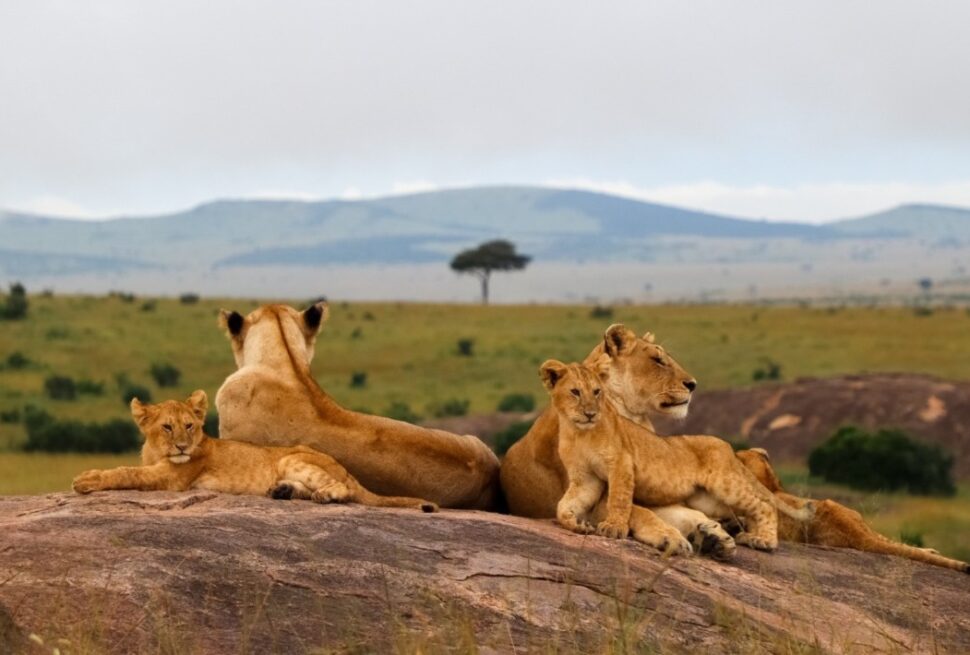
Kenya is one of the world’s most sought-after safari destinations, offering breathtaking landscapes, diverse wildlife, and unforgettable experiences throughout the year. However, the best time to go on safari in Kenya depends on the season, weather patterns, wildlife movements, and your travel preferences.
This guide breaks down Kenya’s safari seasons in detail, helping you decide when to visit, what to expect, and which destinations are best at different times of the year.
Trip Types include Tailor made Private safaris and tours, Group tours/Solo travelers Tours n Safaris, Family Tours and Safaris, Mountain Climbing and Treks, and Organized Charity Treks and Safaris.
Understanding Kenya’s Safari Seasons
Kenya’s climate is shaped by rainfall patterns rather than extreme temperature changes. There are four key travel seasons, each offering a distinct safari experience.
- Hot & Dry Season (December/January – March)
- Long Rainy Season (April – June)
- Cool & Dry Season (June/July – October)
- Short Rainy Season (October – November/December)
- Hot & Dry Season (December/January – March)
This is the hottest and sunniest time of the year, with very little/no rainfall.
What to Expect:
- Hot daytime temperatures and Warm weather, perfect for long game drives
- Clear skies and excellent road conditions
- Wildlife congregating around water points
- Arrival of migratory bird species
- Excellent visibility due to shorter grass
Ideal for classic wildlife viewing, birdwatching and for combining safaris with beach holidays along Kenya’s coast
Best Places to Visit:
- Amboseli National Park – Dry landscapes improve wildlife visibility
- Tsavo East National Park – Excellent big-game sightings
- Samburu National Reserve – Rare species and dramatic scenery
- Coastal Kenya (Diani, Watamu, Lamu) – Perfect for beach and safari combinations
Best For: Festive season travellers, beach-and-safari holidaymakers, and bird lovers.
- Long Rainy Season (April – June)
This is the wettest period of the year, characterized by heavy rainfall often in the afternoons or evenings, which transforms the landscape into a lush, green paradise.
What to Expect:
- Thick vegetation and dramatic green scenery
- Fewer tourists and quieter national parks hence more exclusive safari experiences
- Lower safari and accommodation prices
- Excellent conditions for scenic and landscape photography
Things to Consider:
- Some roads inside parks may become muddy or difficult to navigate
- Wildlife tends to be more dispersed due to abundant water sources
Best Places to Visit:
- Tsavo East & Tsavo West National Parks – Vast landscapes and resilient wildlife
- Aberdare National Park – Lush forests and waterfalls at their best
- Lake Naivasha – Scenic boat rides and birdlife
- Private conservancies – Better road access and exclusive experiences
Best For: Budget travellers, photographers, nature lovers, and travellers seeking peaceful, uncrowded safaris.
- Cool & Dry Season (June/July – October)
This is widely regarded as the best time to go on safari in Kenya, thanks to favorable weather and exceptional wildlife viewing.
What to Expect:
- Cooler temperatures and dry conditions
- Shorter grass, making wildlife easier to spot
- Animals gather around rivers and water sources
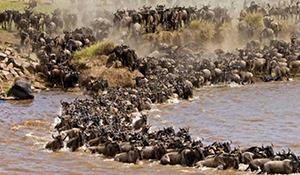
- Peak season for the Great Wildebeest Migration in the Maasai Mara
Highlights:
- Dramatic river crossings (July–September)
- Increased predator activity
- Ideal weather for long game drives
Best Places to Visit:
- Maasai Mara National Reserve – Great Migration and predator action
- Amboseli National Park – Large elephant herds with Mount Kilimanjaro views
- Samburu National Reserve – Unique wildlife species and arid landscapes
- Lake Nakuru National Park – Flamingos and rhino sightings
Best For: First-time safari travelers, wildlife enthusiasts, photographers, and luxury safari experiences.
- Short Rainy Season (October – November/December)
This season brings short, light, and often brief rains, which rarely disrupt safari activities.
What to Expect:
- Fresh vegetation and vibrant landscapes
- Fewer crowds compared to peak season
- Continued good wildlife sightings
- One of the best periods for birdwatching
Why Travel During This Time:
- A great balance between good safari conditions and fewer tourists
- Ideal for travellers seeking value without sacrificing experience
Best Places to Visit:
- Maasai Mara – Good wildlife sightings with fewer tourists
- Meru National Park – Lush landscapes and rich biodiversity
- Laikipia Conservancies – Exclusive wildlife experiences
- Lake Baringo & Lake Bogoria – Birdlife and scenic beauty
Best For: Birdwatchers, photographers, and travellers looking for quieter safaris.
So, When Is the Best Time to Go on Safari in Kenya?
There is no single “bad” time to visit Kenya, only different experiences depending on what you value most.
- Best overall wildlife viewing: June – October
- Best budget-friendly safaris: April – June
- Best scenery & birdlife: October – March
- Best safari + beach holidays: December – March
At Arch Treks Safaris, we help travelers plan the perfect safari by matching the right season, destination, and experience to their interests and budget.
Whether you’re visiting Kenya for the first time or returning for another adventure, choosing the right time makes all the difference.